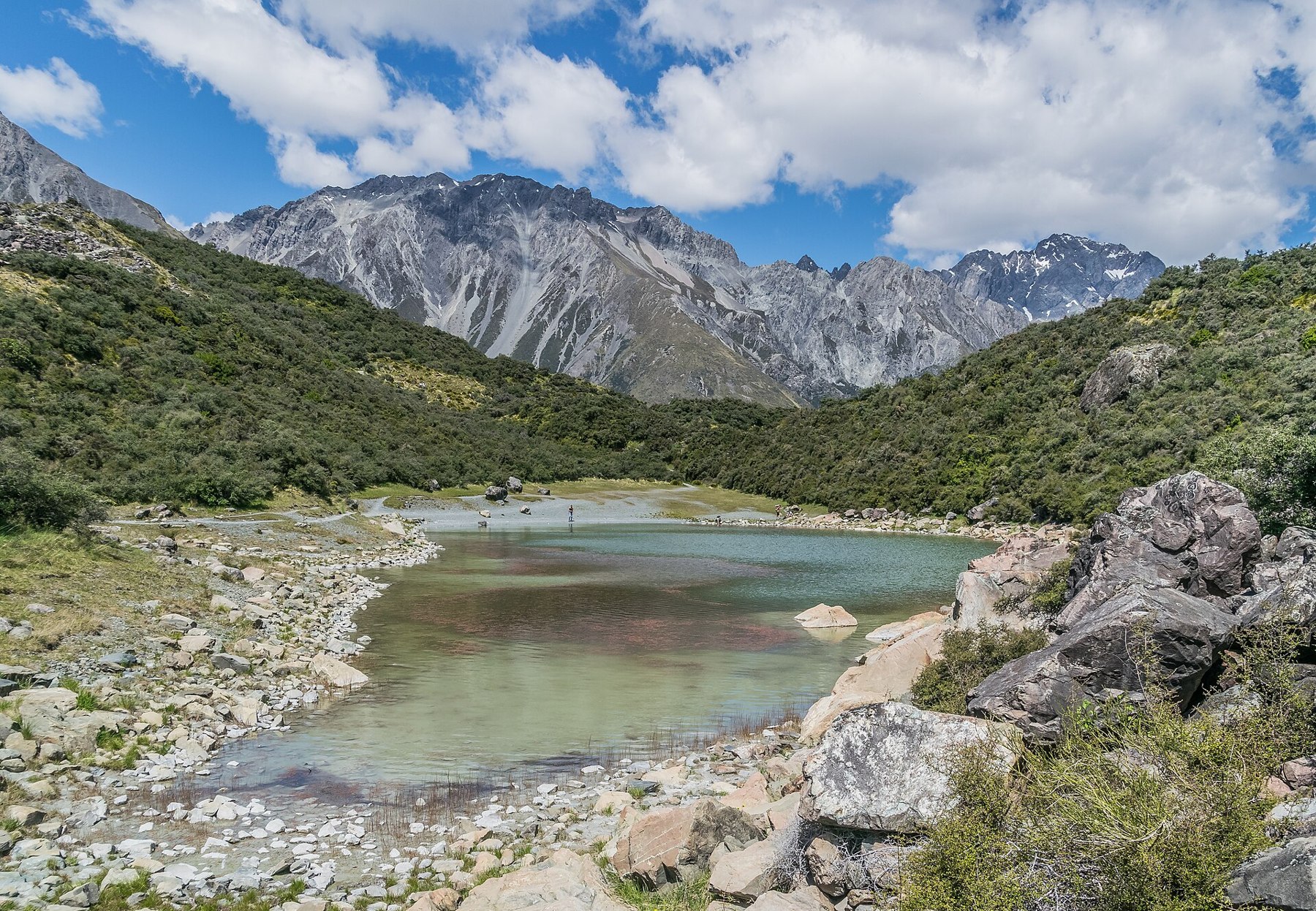
A short route with time to spare
A walk can have a purpose that has nothing to do with collecting places. You might look at how open space changes beside the water, or find a few quiet combinations of grey and green. A familiar route suits this kind of question: you already know the way, leaving time to look around. You can begin at the nearest bend or bench. Along the way, something else will probably catch your attention, and you can let the original theme go. The colour of the water you meant to study sometimes gives way to the pattern of branches against the sky.
Settle the practical matters first: how much time you have, where you can walk legally and safely, how to return and what to do if the weather changes. Check local restrictions before setting out. A short, straightforward path with time to spare is better than a long route where every stop has to be made up for by walking faster. Save route information so that it is available without a connection if the area you have chosen requires it.
Let the path repeat itself
Instead of insisting on a loop, try walking out and back. Returning often feels like needless repetition, even though you are looking in a different direction. A detail hidden by a bend is now directly in front of you. A bright area can become a background for a dark branch, while a distant line draws closer to a familiar landmark. On the way back, you can check a detail you noticed earlier. Can you see it from far away? What hid it before? Sometimes you have to look back to recognise a place you have only just passed.
It is easier to choose stopping places for their convenience. A bench or a wider stretch of path lets you linger without blocking the way. Sitting on a bench, look into the distance, then turn your attention to a nearby surface: rough bark, small stones, a joint between paving slabs. Between these and the distant view are openings beneath branches and spaces between trunks. A single spot offers several different observations. If the bench is occupied, keep walking; there is no need to find its exact replacement.
Notice first, photograph second
It is easy to collect dozens of similar photographs on a walk and later forget why you took each one. Try naming what you want to photograph first. If the only word you can find is ‘beautiful’, wait a little. Perhaps it is not the whole view that draws you, but a bend in the shore, a repetition of stones or a dark opening beneath bushes. As the subject of your attention becomes clearer, the frame often becomes simpler. If you take several photographs, change something specific: leave more water, exclude the treetops or move in on a section of shore. You will have something to compare when you review them.
Photograph a texture where you find it: stones and plants stay where you noticed them. Include a little of the surroundings in a wider shot, or you may struggle at home even to judge the scale of a detail. Beside a close-up of bark, a photograph of the whole trunk can be useful. Stay on the path for both images. If people are nearby, wait for them to pass rather than rushing the photograph or asking them to clear the view.
Come back with one clear detail
Before reviewing the photographs, recall one thing without the help of a screen. It might be the colour of the water near the shore, a shadow on the path or a pause between two sounds. Write down where it was and what caught your attention. Then, if you want to, find a photograph that genuinely belongs with that memory. A mismatch is useful, too: the camera may have preserved something quite different from what mattered most to you.
On your next walk, change just one element: the direction, the time or the question. It is easier to notice a difference on a familiar short path than on a route where everything is new. If you began by looking at colour, you might now explore distances or texture. Keep your notes together under the name of the place. After a few walks, reread them and choose a spot you have described in different ways. It is worth pausing there again, this time with your earlier notes to hand.